
Platlet-Derived Exosomes for skin Rejuvenation: The Science, Benefits, and What Patients Should Know
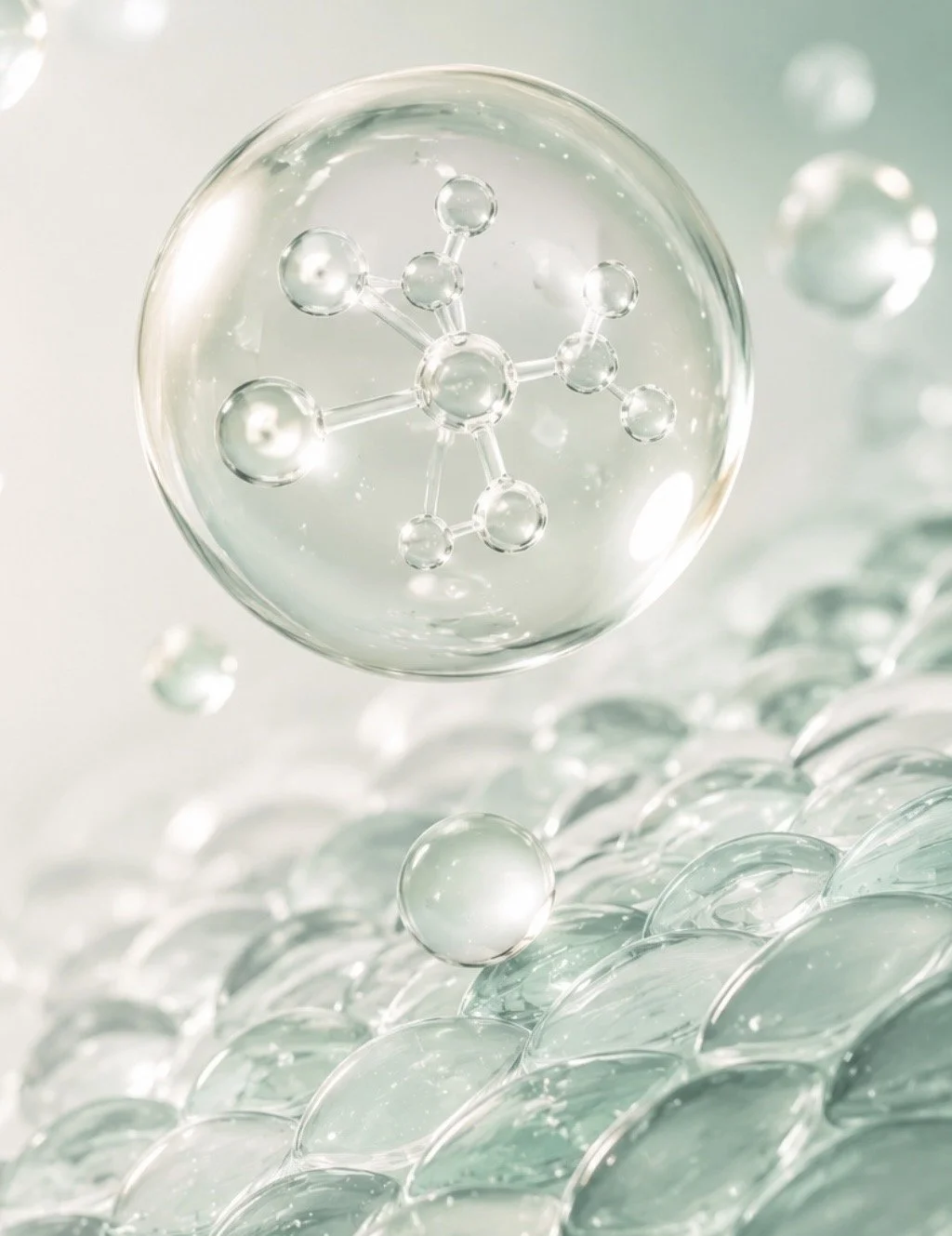
Imagine if your skin could communicate with itself—sending microscopic biological messages that help coordinate healing, reduce inflammation, support collagen production, and promote healthier, more resilient skin.
Remarkably, it can.
These tiny biological messengers, known as exosomes, have become one of the most exciting areas of research in regenerative aesthetics, skin rejuvenation, and skin longevity. Scientists are investigating how platelet-derived exosomes may support the skin’s natural repair processes, enhance recovery following treatments such as microneedling, and promote healthier skin at the cellular level.
Early clinical research has demonstrated encouraging improvements in skin texture, fine lines, pigmentation, redness, collagen remodeling, and overall skin quality. Emerging studies even suggest platelet-derived exosomes may influence biological pathways involved in cellular aging, opening the door to an exciting new frontier in skin longevity. While these findings are promising, the science continues to evolve, and larger clinical trials are still needed to better define their long-term effectiveness and optimal use.
So, what exactly are platelet-derived exosomes, how do they work, and why are they generating so much excitement in regenerative medicine and aesthetic dermatology?
At KESH MedSpa in Melrose, Massachusetts, we believe our patients deserve more than marketing claims—they deserve honest, evidence-based education. We don’t simply treat the visible signs of aging; we strive to support the biology of healthier skin through evidence-based regenerative aesthetics, personalized care, and the principles of Lifestyle Medicine.
In this article, we’ll explore what platelet-derived exosomes are, how they work, what the latest clinical research tells us, how they may complement treatments such as microneedling, and whether they may have a place in your personalized skin longevity journey.
-
For years, scientists believed exosomes were little more than cellular waste—tiny particles released by cells with no meaningful purpose. They were largely overlooked and dismissed as biological debris. Then researchers made a discovery that helped reshape the field of regenerative medicine: these microscopic particles weren’t waste at all. They were carrying information.
For patients exploring exosomes for skin rejuvenation, understanding what exosomes are—and how they work—is the first step toward separating scientific evidence from marketing hype.
Today, scientists understand that exosomes play an important role in cellular communication. By carrying biological signals from one cell to another, they have become a major area of interest in regenerative medicine, skin rejuvenation, hair restoration, and longevity-focused research.
Exosomes are incredibly small, measuring approximately 30 to 150 nanometers in diameter. To put that into perspective, a single human hair is roughly 80,000 to 100,000 nanometers wide, meaning hundreds of exosomes could fit across the width of a single strand of hair. Despite their microscopic size, these tiny structures carry a remarkable collection of biological signals, including growth factors, proteins, lipids, cytokines, messenger RNA (mRNA), microRNA, and other signaling molecules.
One of the easiest ways to understand exosomes is to think of them as biological text messages. A cell sends a message, another cell receives it, and the receiving cell responds. Through this process, exosomes may help coordinate communication involved in skin repair, post-procedure recovery, hydration, collagen production, tissue remodeling, inflammation regulation, and signaling within hair follicles. These are some of the same biological processes researchers are studying in relation to skin rejuvenation, acne scars, hair restoration, and overall skin longevity.
This ability to transfer information from one cell to another is what has made exosomes one of the most exciting areas of regenerative medicine. While researchers are still working to better understand their full potential, exosomes have already transformed how scientists think about cellular communication, tissue repair, and the future of regenerative aesthetics.
In many ways, the excitement surrounding exosomes isn’t simply about what they are—it’s about what they’re saying.
-
Exosomes may be derived from various sources: Plant derived, Stem cell, and Platelets.
Exosomes (150-200nm) are 300x smaller than our pore sizes (60,000 nm), and readily pass our pores through topical application
The exosome is structure with a phospholipid bilayer and regenerative surface markers (CD9, CD63) which allow them to be recognized by cells and taken into cells.
These tiny messengers contain various products such as superoxide dismutase (SOD), antioxidants, enzymes, Glutathione, peptides and phosphopeptides that unlock regenerative, repair pathways protect from UV and pollution, prevent oxidative stress, eliminate free radicals, and neutralizes peroxidases.
-
Many of our patients tell us some version of the same thing:
“I don’t necessarily want to look younger. I just want to look like the best version of myself.”
They’re not usually seeking dramatic changes. Instead, they’re noticing subtle shifts that seem to happen over time. Their skin looks more tired, their glow feels harder to maintain, recovery takes longer, and even great skincare doesn’t seem to work the way it once did.
For years, most conversations about aging focused on collagen loss. While collagen remains important, researchers now understand that healthy skin also depends on effective cellular communication. Skin cells are constantly exchanging signals that help coordinate repair, recovery, hydration, collagen production, and overall skin function.
As we age, some of these communication pathways may become less efficient. This is one reason exosomes have become such an exciting area of research in regenerative aesthetics, skin rejuvenation, and skin longevity. Rather than focusing solely on correcting visible signs of aging, researchers are exploring whether exosomes may help support the biological communication involved in healthy skin function and post-procedure recovery.
For many patients, that’s what makes exosomes so intriguing. The question is no longer just, “How do we treat aging?”It’s increasingly, “How do we help skin function at its best for longer?”
-
No. This is one of the biggest misconceptions in aesthetic medicine today.
Exosomes are not stem cells.
Stem cells are living cells that can potentially develop into different tissue types. Exosomes are not living cells and cannot become new skin, hair follicles, or other tissues. Instead, they function as tiny messenger particles that help cells communicate with one another.
A simple analogy is to imagine a company. The stem cells are the employees. The exosomes are the emails, text messages, and instructions those employees send throughout the day.
This distinction is important because researchers increasingly believe that some regenerative benefits historically attributed to stem cells may actually be driven by the biological signals they release—including exosomes. In other words, the power may not be in the cell itself. The power may be in the message.
-
The philosophy of aesthetic medicine is evolving. For decades, treatments focused on correcting visible signs of aging: wrinkles were filled, volume loss was replaced, and loose skin was tightened.
Today’s patients are asking a different question: “How can I help my skin stay healthier for longer?”
This shift has fueled the rise of Regenerative Aesthetics—an area of aesthetic medicine focused on supporting the skin’s natural ability to repair, recover, and function at its best.
Exosomes have become one of the most promising technologies being studied in this field. Rather than simply correcting the visible effects of aging, researchers are exploring whether exosomes may help support the biological processes involved in skin rejuvenation, post-procedure recovery, and long-term skin longevity.
For many patients, that’s an appealing concept. The goal isn’t to look like someone else—it’s to help their skin function more like it did when it was younger.
-
One of the reasons platelet-derived exosomes have generated so much excitement is their role in cellular communication and their potential to influence multiple biological pathways involved in skin health and rejuvenation. Rather than adding volume or replacing damaged tissue, they act as tiny biological messengers, carrying proteins, growth factors, lipids, and messenger RNA (mRNA) that help skin cells communicate and coordinate the body’s natural repair processes.
As we age, the production of collagen and elastin naturally declines, contributing to fine lines, wrinkles, and loss of skin elasticity. Research suggests platelet-derived exosomes may support pathways involved in collagen, elastin, and fibronectin production while promoting healthy remodeling of the skin’s structural framework and reducing the activity of enzymes that break down these important proteins.
Researchers are also studying how platelet-derived exosomes may support recovery after procedures such as microneedling and laser resurfacing by influencing inflammatory signaling and the skin’s natural healing response. Emerging research further suggests they may support antioxidant defenses, cellular resilience, and protection against environmental stressors such as ultraviolet (UV) radiation and pollution.
While research is still evolving, platelet-derived exosomes appear to support the skin’s natural ability to repair, regenerate, and maintain healthy, resilient skin.
Think of platelet-derived exosomes as microscopic “delivery packages” that help skin cells communicate more effectively, supporting the biological processes responsible for healthier, stronger, and more resilient skin.
-
Research on platelet-derived exosomes is growing rapidly, making them one of the most exciting areas of regenerative aesthetics and skin rejuvenation. While scientists continue to learn more, early studies have shown encouraging results.
Where Is the Strongest Evidence?
The best evidence today supports overall skin quality.
Clinical studies have reported improvements in:
Fine lines and wrinkles
Skin texture
Skin hydration
Pigmentation
Facial redness
Skin brightness (luminosity)
Overall skin quality
For many people, these improvements mean healthier-looking skin, a more even skin tone, better recovery after aesthetic treatments, and a refreshed appearance. The goal is not to dramatically change how you look—it is to improve the overall health and quality of your skin.
What Else Have Researchers Found?
Researchers have also found promising evidence that platelet-derived exosomes may support collagen remodeling, an important process that helps maintain the skin’s strength, firmness, and elasticity.
In one histology study, researchers examined skin samples under a microscope after 12 weeks of treatment and found:
Increased collagen thickness
Improved collagen organization
Increased elastin formation
These findings suggest that platelet-derived exosomes may help support healthier skin structure—not just improve its appearance.
New Research on Skin Longevity
One of the newest areas of research focuses on cellular senescence, sometimes called the aging of our cells.
Early studies suggest that platelet-derived exosomes may reduce some of the biological signals associated with aging cells while increasing pathways involved in collagen production and tissue repair.
Although this research is still in its early stages, it has generated excitement because it explores not only how skin looks, but also how skin functions as it ages.
Recovery After Microneedling and Laser Treatments
Researchers are also studying platelet-derived exosomes as an addition to treatments such as microneedling and fractional CO₂ laser resurfacing.
Early studies suggest they may:
Support the skin’s natural healing process
Reduce redness after treatment
Improve recovery
Enhance overall treatment outcomes
Additional research is underway to better understand these potential benefits.
Current Evidence at a Glance
Overall skin quality: Strong early clinical evidence
Collagen remodeling: Histologic (microscopic) evidence
Skin redness: Early clinical evidence
Recovery after microneedling and laser treatments: Growing evidence
Cellular senescence (skin longevity): Emerging evidence
Long-term anti-aging effects: Still under investigation
What We Still Don’t Know
Although the early research is encouraging, platelet-derived exosomes remain an emerging therapy.
Many published studies include relatively small numbers of participants, and several are single-arm or non-randomized studies. Larger, independent clinical trials are still needed to better understand long-term effectiveness, compare different exosome products, and determine which patients are most likely to benefit.
At KESH MedSpa, we believe it’s important to be transparent about both the strengths and the limitations of the current evidence. We are excited about the future of regenerative aesthetics, but we believe every treatment recommendation should be guided by science, patient safety, and honest discussion—not hype.
-
Microneedling creates thousands of microscopic channels in the skin while stimulating the body's natural repair response and collagen production.
Exosomes are often applied immediately afterward because researchers believe they may help support some of the cellular communication, recovery, and healing processes that occur during skin repair.
For this reason, many providers view exosomes as a premium enhancement to microneedling and other collagen-stimulating treatments rather than a standalone procedure.
-
Exosomes for Acne Scars
Acne scars can be challenging to treat because they involve structural changes beneath the skin’s surface. This is one reason exosomes have attracted interest in regenerative aesthetics.
Emerging research suggests exosomes may be particularly valuable when combined with treatments such as microneedling, RF microneedling, and fractional laser resurfacing. Studies have reported improvements in acne scar appearance, along with reduced redness and downtime following treatment.
While more research is needed, acne scars remain one of the most promising and exciting applications of exosome technology.
Exosomes for Hair Restoration
Hair restoration is another rapidly growing area of exosome research. Scientists are studying exosomes because they appear to influence cellular signaling pathways involved in hair follicle activity and the hair growth cycle.
Early studies have reported improvements in hair density, hair thickness, and patient satisfaction. However, larger controlled clinical trials are still needed before exosomes can be considered an established treatment for hair restoration.
Even so, the early findings are encouraging and continue to drive interest in this rapidly evolving field.
-
One of the most common questions patients ask is:
“Are exosomes better than PRP?”
The honest answer is: we don’t know.
At present, there is no high-quality clinical evidence proving that exosomes outperform Platelet-Rich Plasma (PRP) for skin rejuvenation, hair restoration, or other aesthetic applications.
PRP is created from your own blood and contains platelets, growth factors, and signaling molecules that support the body’s natural healing response. Exosomes, by contrast, are derived from selected cellular sources and contain biological signals designed to support cellular communication and regenerative processes.
Both are being studied for their potential role in regenerative aesthetics. Both have potential benefits. Both have limitations.
At this point, they are best viewed as different tools—not competitors.
-
Skin follows a natural 24-hour circadian rhythm. During the day, it focuses on protection, while at night it shifts into repair and renewal. Emerging research suggests platelet-derived exosomes may support these natural processes by enhancing the skin’s own biological functions.
☀️ Daytime: Protect & Defend
During the day, your skin’s primary job is to protect itself from ultraviolet (UV) radiation, pollution, oxidative stress, and other environmental exposures.
Emerging research suggests platelet-derived exosomes may help support this process by:
Strengthening the skin barrier to improve hydration and reduce water loss
Supporting antioxidant defenses against UV radiation and pollution
Helping regulate sebum (oil) production to maintain a healthy skin balance
Supporting a more even skin tone by helping regulate pigmentation
Reducing oxidative stress caused by daily environmental damage
🌙 Nighttime: Repair & Renew
At night, your skin enters its peak repair phase, focusing on cellular renewal and tissue repair.
Emerging research suggests platelet-derived exosomes may help:
Support collagen and elastin production
Promote tissue repair and skin renewal
Reduce inflammation and redness
Support cellular repair and recovery from daily environmental damage
-
Are Exosomes FDA Approved?
No. Currently, there are no FDA-approved exosome products for aesthetic indications.
Are All Exosome Products the Same?
Absolutely not.
One of the biggest challenges in the exosome industry is a lack of standardization. Products marketed as “exosomes” may differ significantly in their cell sources, purification methods, processing techniques, and potency measurements. In other words, not all exosome products are created equal.
Are There Safety Concerns?
Published studies generally report favorable safety profiles, but important questions remain.
Long-term safety data are limited, standardization remains a challenge, and rare adverse events have been reported with injectable exosome use. Researchers also continue to study how differences in exosome cargo and biological activity may influence safety and effectiveness.
This is why product selection, transparency, and medical oversight matter.
Are Exosomes Worth It?
For patients interested in skin rejuvenation, skin quality, post-procedure recovery, and regenerative aesthetics, exosomes may be worth exploring. The strongest evidence currently exists for skin rejuvenation, skin quality improvement, post-procedure recovery, and acne scar treatment adjuncts.
Hair restoration remains a promising area of research, but the science continues to evolve.
-
Yes. Platelet-derived exosomes are designed to complement—not replace—a comprehensive skincare routine. They can be used alongside medical-grade skincare and regenerative treatments, including Vitamin C, retinol, moisturizers, sunscreen, and red light therapy. The key is applying them in the correct order to maximize absorption and effectiveness.
How Should I Apply Platelet-Derived Exosomes?
For best results, apply platelet-derived exosomes to freshly cleansed skin. If you use a hydrating toner, apply the exosome serum immediately afterward while the skin is still slightly damp, unless otherwise directed by the manufacturer. Allow the serum to absorb for approximately 5 minutes before applying additional products.
Recommended Skincare Routine
Morning ☀️
Cleanser
Hydrating Toner (optional)
Platelet-Derived Exosome Serum
Wait 5 minutes
Vitamin C (optional)
Moisturizer
Broad-spectrum SPF 30+ sunscreen
Red Light Therapy (optional, after exosome absorption)
Evening 🌙
Cleanser
Hydrating Toner (optional)
Platelet-Derived Exosome Serum
Wait 5 minutes
Retinol or other nighttime treatment (if appropriate)
Moisturizer
Red Light Therapy (optional, after exosome absorption)
Application Tips
Pat, don’t rub. Gently press the serum into the skin rather than rubbing aggressively.
Hydrating toners pair best. Toners containing ingredients such as hyaluronic acid, ceramides, glycerin, panthenol, or centella asiatica help prepare the skin for hydration.
Use caution with exfoliating toners. Toners containing glycolic acid, salicylic acid, or other exfoliating acids may increase skin sensitivity, particularly after procedures such as microneedling. Follow your provider’s recommendations and the manufacturer’s instructions.
Frequently Asked Questions
Can I use Vitamin C?
Yes. Vitamin C is typically applied in the morning after platelet-derived exosomes. As a powerful antioxidant, it helps protect the skin from ultraviolet (UV) radiation and environmental damage while supporting collagen production and brightening the complexion.Can I use Retinol?
Yes. Retinol is generally used in the evening after platelet-derived exosomes. It promotes cellular turnover and collagen production. If you have sensitive skin or are new to retinoids, introduce it gradually as directed by your provider.Can I use Red Light Therapy?
Yes. Red light therapy may complement platelet-derived exosomes by supporting mitochondrial function, collagen production, and the skin’s natural healing response. Allow the exosome serum to absorb before treatment.Important: Individuals with melasma or pigment-prone skin should consult their provider before using red light therapy, as heat and certain wavelengths may worsen pigmentation in some cases.
The Bottom Line
Platelet-derived exosomes work best as part of a personalized skincare routine—not as a standalone product. Applying them to clean, well-prepared skin before other treatment products allows them to interact directly with the skin. At KESH MedSpa, we create individualized routines that combine regenerative therapies with evidence-based skincare to support healthier, more resilient skin and long-term skin longevity.
💎 KESH Pearl Tip: Consistency matters more than complexity. A simple, evidence-based skincare routine performed every day is one of the most effective ways to support healthy skin, maximize the benefits of regenerative treatments, and promote long-term skin longevity.
-
Ready to Discover What’s Possible for Your Skin?
Every journey at KESH MedSpa begins with a comprehensive consultation. We assess your skin health, treatment goals, lifestyle, and—when available—advanced skin analysis to create a personalized plan tailored to you.
Whether you’re interested in platelet-derived exosomes, microneedling, collagen stimulation, injectables, or simply aging beautifully, we’ll help you determine the approach that best supports your long-term skin health.
Begin Your KESH Skin Longevity Consultation™
Experience an evidence-based, personalized approach to regenerative aesthetics, healthy aging, and naturally beautiful results.
→ Schedule Your Consultation
Click Here and Continue Exploring:
Plated™ Skin Science Exosome FAQs
The KESH Perspective
At KESH MedSpa, every treatment we offer begins with a simple question: What does the best available evidence tell us? We evaluate emerging technologies through the lens of scientific rigor, patient safety, and long-term skin health—not marketing trends or hype. Platelet-derived exosomes represent one promising advancement in regenerative aesthetics because they align with our commitment to evidence-based medicine, individualized care, and healthy aging. As the science continues to evolve, so do we. We remain committed to continually reviewing the medical literature, embracing meaningful innovation, and being transparent about both the potential and the current limitations of emerging therapies. We believe the most beautiful results are achieved not by chasing perfection, but by supporting the body’s remarkable ability to repair, regenerate, and thrive. Every recommendation we make is guided by honesty, education, and partnership, empowering our patients to make informed decisions that align with their unique goals and values.
“We don’t chase trends—we pursue truth. We follow the evidence, honor the individual, and never lose sight of the person behind every treatment. Because true beauty isn’t created; it is revealed when health, confidence, and vitality shine through. That is our philosophy. That is Polishing the Pearl of Wellness” — KESH
-
Weir D, Wyles SP, Behfar A, Eaton-Jankov L. Efficacy and tolerability of topical platelet exosomes for skin rejuvenation: six-week results. Presented as preliminary clinical findings. (Conference presentation/early report).
Wyles SP, Eaton-Jankov L, Copeland K, Buchanan LP, Behfar A. A comparative study of two topical treatments for photoaging of the hands. Study evaluating topical platelet-derived human platelet extract for hand rejuvenation. (Conference presentation).
Wyles SP, Yu GT, Gold MH, Behfar A. Topical platelet exosomes reduce senescence signaling in human skin: an exploratory prospective trial. Dermatol Surg. 2024;50(11):1128-1138. doi:10.1097/DSS.0000000000004383
Proffer SL, Halaas Y, Durairaj K, Somenek M, Behfar A, Wyles SP. Full-face application of topical platelet extract for skin rejuvenation in monozygotic twins. Skinmed. 2024;22(4):245-251.
Proffer SL, Paradise CR, DeGrazia EM, et al. Efficacy and tolerability of topical platelet exosomes for skin rejuvenation: six-week results. Aesthetic Surg J. 2022;42(12):NP840-NP851. doi:10.1093/asj/sjac168
Wyles SP, Proffer SL, Farris PK, et al. Effect of topical human platelet extract for facial skin rejuvenation: a histological study of collagen and elastin. J Drugs Dermatol. 2024;23(10):844-850. doi:10.36849/JDD.8231
McGraw IT, Wilson EE, Behfar A, Paradise CR, Rohrich RJ, Wyles SP. Evolving role of exosomes in plastic and reconstructive surgery and dermatology. PRS Glob Open. 2024;12(4):e5808. doi:10.1097/GOX.0000000000005808
Vyas KS, Kaufman J, Munavalli GS, Robertson K, Behfar A, Wyles SP. Exosomes: the latest in regenerative aesthetics. Regen Med. 2023;18(7):583-596. doi:10.2217/rme-2023-0034
Dayan SH, Gandhi N, Wilson J, et al. Safety and efficacy of human platelet extract in skin recovery after fractional CO₂ laser resurfacing of the face: a randomized, controlled, evaluator-blinded pilot study. Manuscript/clinical study presented within the platelet-derived human platelet extract research program.
Kaufman-Janette J, Cazzaniga A, Jacobson A, Eaton-Jankov L, Copeland K, Behfar A, Wyles SP. Effect of topical platelet extract daily serum as a cosmetic product to reduce facial redness. J Clin Aesthet Dermatol.2023;16(12):35-40.
Evidence Disclosure: The clinical studies summarized above primarily evaluate a proprietary topical human platelet extract (HPE) technology (Renewosomes™) and collectively represent an important emerging body of evidence in regenerative aesthetics. While the published findings are encouraging, many studies involve relatively small sample sizes, single-arm designs, or investigators affiliated with the product manufacturer. Larger independent randomized controlled trials are needed to further establish long-term efficacy and comparative effectiveness. KESH MedSpa is committed to providing evidence-informed care and continually reviews new scientific literature as it becomes available.